
Stop Chasing Clicks
Conversion Matters

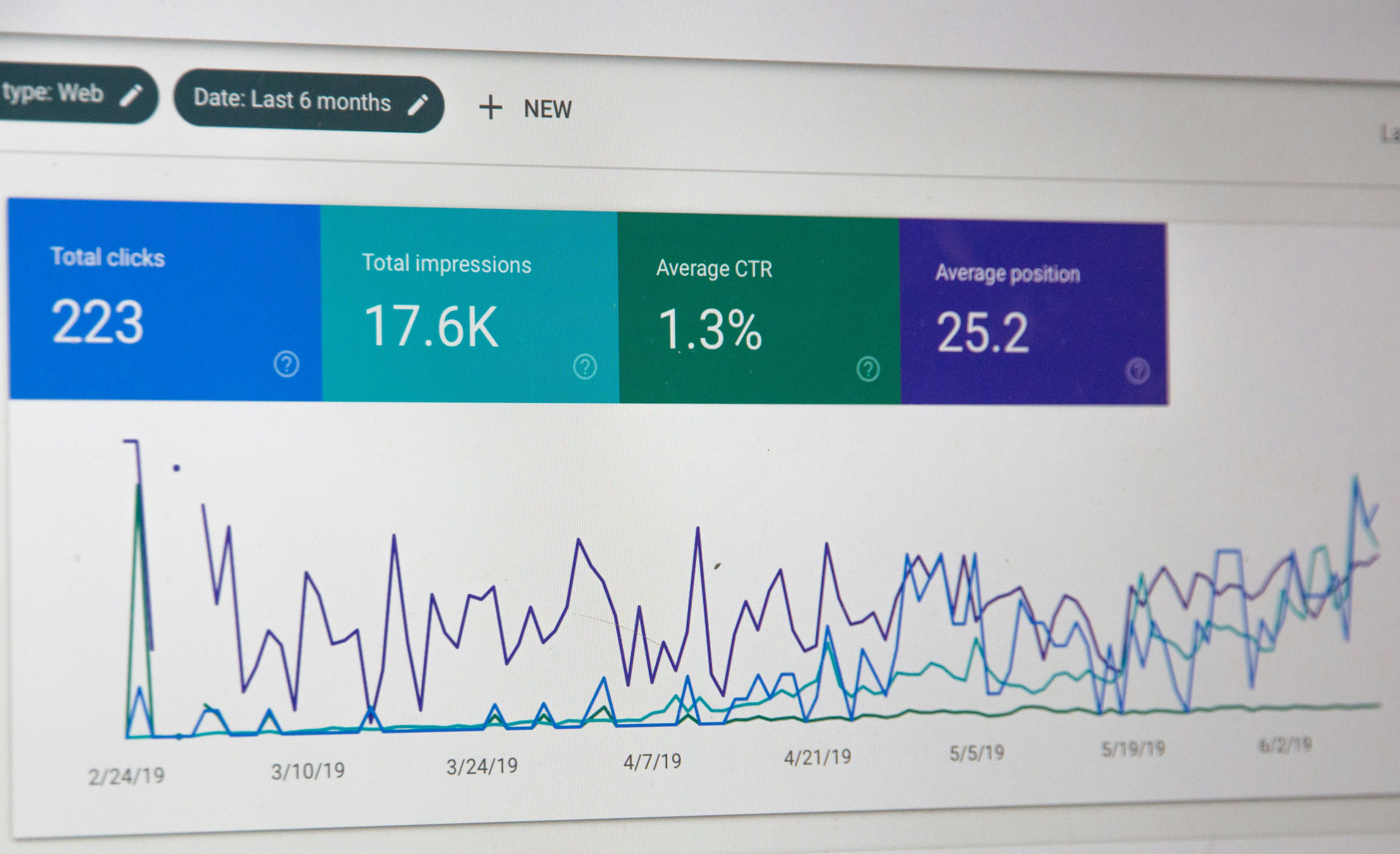
Photo by Stephen Phillips - Hostreviews.co.uk on Unsplash
Clicks can be a vanity metric. While it's easy to get excited about a high number of clicks on your ad or website, that excitement is often misplaced if those clicks aren't converting into real business results. Before investing a significant amount of money in a digital marketing campaign, it's crucial to establish a clear connection between the clicks generated and the outcomes that matter most to your business, such as sales, leads, or brand loyalty.
The fundamental issue with focusing solely on clicks is that they don't tell the whole story. A click represents a user's initial interest, but it doesn't guarantee engagement, purchase, or even a thorough look at your offerings. Think of it like this: a high number of people walking past a storefront doesn't mean your store is successful. Success is measured by the number of people who walk in and make a purchase. Clicks are the digital equivalent of foot traffic, and without a conversion strategy, you're just paying for window shoppers.
To ensure your clicks are translating into tangible business results, you must first define what those results are. This means setting clear, measurable goals. Instead of aiming for "more traffic," set a goal like "increase qualified leads by 20% within three months" or "generate $5,000 in sales from our new product line." These goals provide a framework for your campaign and allow you to build a strategy that goes beyond simply attracting clicks.
Once your goals are defined, you need to implement the right tracking and analytics tools. Platforms like Google Analytics, along with conversion tracking pixels from advertising platforms like Facebook and Google Ads, are essential. These tools allow you to follow a user's journey from the initial click all the way to a completed action. By doing so, you can answer critical questions:
Which keywords or ads are driving not just clicks, but actual conversions?
Are users from a specific geographical location or demographic more likely to convert?
At what point in the user journey are people dropping off?
Connecting clicks to business results also allows you to optimize your spending. By identifying which campaigns, keywords, and ad creatives are most effective at driving conversions, you can reallocate your budget to focus on what's working. This data-driven approach prevents you from wasting money on high-click, low-conversion traffic. For example, if you find that an ad campaign on one platform is generating a lot of inexpensive clicks but zero sales, while another, more expensive campaign on a different platform is generating fewer clicks but a high number of purchases, it's a clear signal to shift your investment.
In conclusion, a click-centric approach to digital marketing is a risky and often wasteful strategy. Before committing a significant budget, take the time to define your business goals, understand your customers’ purchase decision process, implement robust tracking, and build a strategy focused on conversions. By connecting every click to a potential business outcome, you can transform your digital marketing efforts from a guessing game into a powerful, profitable engine for growth.